
In this article
- What Is Local SEO?
- How Does Local SEO Work?
- Why Is Local SEO Important for Small Businesses?
- What Are the Key Elements of a Successful Local SEO Strategy?
- How Long Does Local SEO Take to Show Results?
- How Can Small Businesses Measure Local SEO Success?
- Start Growing Your Small Business with Local SEO
- Conclusion
Think about the last time you needed a service nearby. Maybe you were looking for a mechanic, a dentist, or somewhere to grab lunch. Chances are, you picked up your phone, searched on Google, and looked through a few options before making a decision. Your customers do the same thing.
Now, imagine someone searching for a service you offer, but your business doesn’t appear in the results. That person might never know you exist, even if you’re just a few streets away. This is where Local SEO Services can make a difference by helping businesses improve their visibility in local searches and connect with people nearby. But what is local SEO, how does it work, and what can a small business do to get started?
What Is Local SEO?
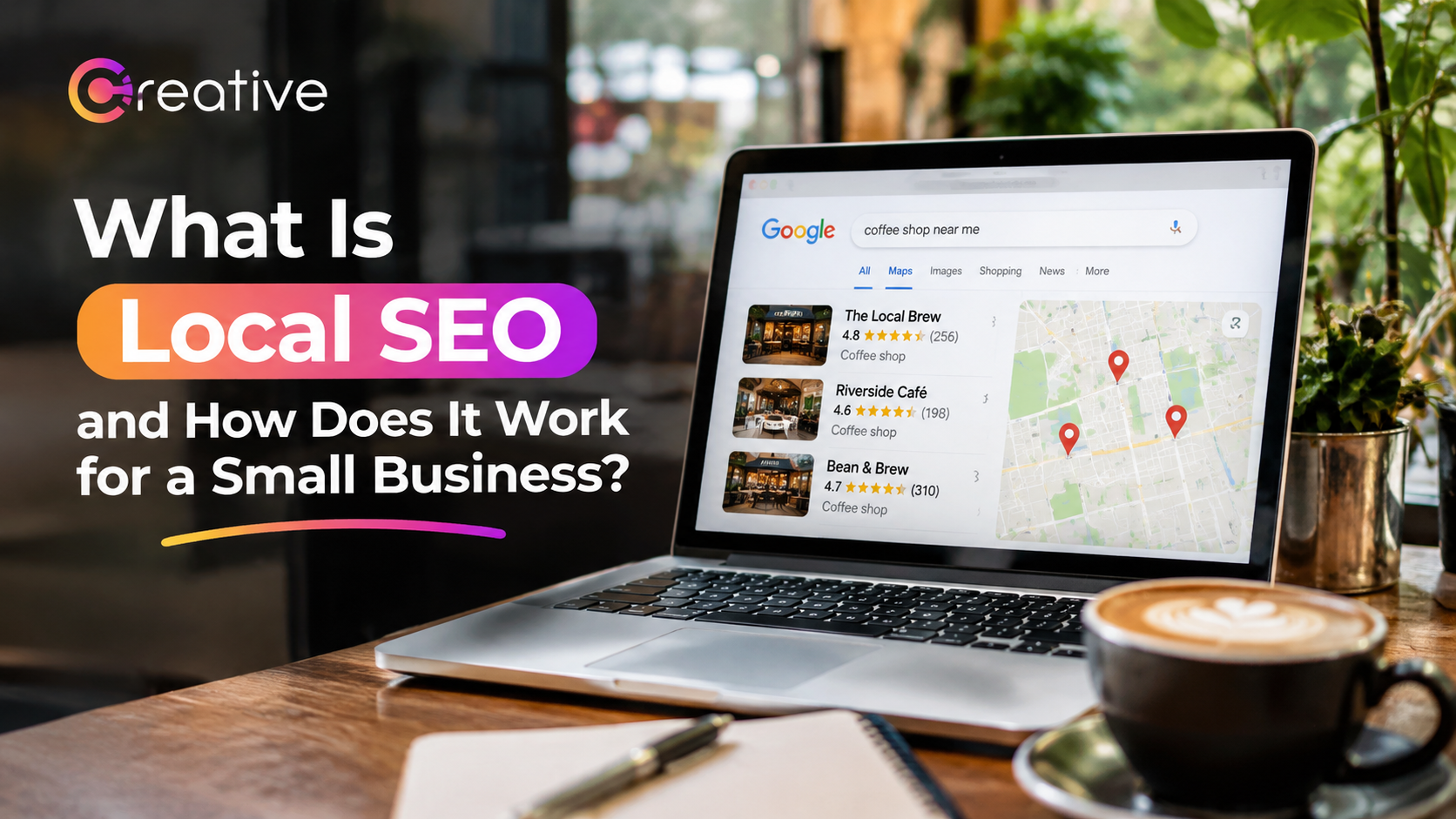
Local SEO stands for local search engine optimization. Simply put, it’s the work you do to help your business appear in searches related to your location. For example, a person might search for “roof repair in Houston” or “coffee shop near me.” Google then shows businesses that it believes are relevant to that search. Local SEO helps Google understand what your business does, where it’s located, and which customers it serves.
This is different from trying to reach everyone on the internet. A neighborhood bakery doesn’t need visitors from across the country. It needs people who live, work, or spend time nearby. That is the real purpose of local SEO: helping the right people find your business when they need it.
How Does Local SEO Work?
When someone searches for a nearby business, Google doesn’t simply show the oldest or largest companies first. It looks at several details to decide which businesses might be the best match. For example, imagine two plumbing companies serving the same neighborhood. One has an updated business profile, clear service information, and genuine customer reviews. The other has an outdated phone number, missing business hours, and very little information online.
The first company gives both Google and potential customers a clearer picture of what it offers. That can make a difference when people search for plumbing services in the area. Local SEO involves improving these details across your website, business listings, and online profiles. The goal isn’t to trick Google into showing your business first. It’s to make your business information accurate, useful, and easy to find.
How Google Determines Local Search Rankings
Google uses three main factors when deciding which businesses to show in local results: relevance, distance, and prominence. Relevance is about whether your business matches what someone needs. Distance considers how close your business is to the person searching. Prominence looks at how established your business appears to be, based on information such as reviews and links from other websites.
Let’s say someone searches for a family dentist. A dental clinic nearby might appear in the results because it offers the services the person needs. Another clinic could be closer but less relevant to that particular search. You can’t control every factor, especially where a customer happens to be searching from. But you can make sure your business information is complete and your online presence reflects the services you actually provide.
Why Is Local SEO Important for Small Businesses?
For a small business, being found by the right customer can matter more than being seen by thousands of people who will never buy anything. Take a local cleaning company, for example. Getting visitors from other states won’t be particularly useful if the company only serves customers in Dallas. What matters is reaching homeowners and businesses within its service area.
That’s where local SEO for small businesses becomes useful. It helps your business appear in searches made by people who may be ready to call, book an appointment, or visit your location. It also makes everyday decisions easier for customers. They can check your hours, find directions, read reviews, and learn about your services before contacting you. Unlike paid advertisements, you don’t pay Google each time someone clicks an organic search result. There is still work involved, but the visibility you build can continue to benefit your business over time.
What Are the Key Elements of a Successful Local SEO Strategy?
You don’t need to change everything about your website to get started with local SEO. Often, the best place to begin is by looking at your business the way a new customer would. Can someone quickly find your phone number? Are your business hours correct? Does your website explain what you do and which areas you serve? These may seem like small details, but they shape how people experience your business online.
A useful local SEO strategy brings these details together. It includes maintaining your business profile, improving your website content, checking your online listings, and paying attention to customer feedback. Making sure these basics are in place gives customers a better experience and helps search engines understand your business. Once you have the basics covered, you can focus on improving each area over time.
Optimizing Your Google Business Profile
Have you noticed the business information that appears when you search for a local restaurant or store? You can often see its address, hours, phone number, photos, and customer reviews without even visiting its website. That information comes from its Google Business Profile. If your business is eligible for a profile, keeping it updated is one of the most practical things you can do for local visibility. Check that your business name, contact details, and hours are correct. Choose categories that describe what you do, and add photos that give customers a realistic idea of your business.
Think about someone driving across town because your listing says you’re open until 8 p.m., only to discover you closed at 6 p.m. That kind of experience can leave a poor impression. Accurate information helps customers avoid unnecessary frustration and makes your business easier to contact.
Using Local Keywords and Location-Based Content
People usually search in everyday language. They might type “AC repair in Phoenix,” “dog groomer near me,” or “affordable dentist in Chicago.” These phrases are examples of local keywords. They tell search engines what a person needs and where they’re looking for it. Your website should use similar language when describing your services. If you’re a roofing contractor serving Austin, make that clear on your website instead of simply saying you offer quality roofing services.
You don’t need to mention Austin in every sentence. In fact, repeating the same location and service terms can make your content frustrating to read. Write as though you’re speaking to someone who has never used your business before. Explain what you offer, where you work, and what customers should know before getting in touch. That’s useful for both visitors and search engines.
Building Local Citations and Consistent Business Listings
Your business information may appear in several places online, not just on your website. Local directories, community websites, and business listings can all include your name, address, and phone number. These mentions are called local citations. The important thing is making sure the details match. If your website shows one address and a directory shows another, customers may not know which one is correct. This can happen when a business moves, changes its phone number, or updates its hours but forgets about older listings.
It’s worth checking the main places where customers might find your business and correcting outdated information. You don’t need to sign up for every directory you come across. Focus on listings that are relevant, trustworthy, and useful to your customers. Keeping your business information consistent makes it easier for people to contact you without confusion.
Managing Customer Reviews and Local Reputation
Imagine you’re choosing between two nearby auto repair shops. Both offer the service you need, but one has several detailed reviews from customers describing their experiences. You’d probably want to read those reviews before making a decision. That’s why customer feedback matters. Reviews give people a better idea of what to expect, especially when they’re considering a business for the first time. They can also play a role in local search rankings. Google has confirmed that review quantity and positive ratings can contribute to local prominence.
Make it easy for customers to leave honest reviews, and take time to respond when you can. If someone shares a complaint, address it politely rather than ignoring it or becoming defensive. You won’t please every customer, and none of these efforts guarantees perfect ratings. What matters is showing people that their experience is important to your business.
How Long Does Local SEO Take to Show Results?
One of the most common questions business owners ask is how quickly local SEO will start working. There isn’t one answer that fits every business. If your business information is incorrect, fixing it can make an immediate difference for customers trying to contact you. But improving your position in search results usually takes longer. A new business in a competitive city may need more time to become visible than an established business in a smaller town. Your website, customer reviews, competitors, and existing online presence can all affect your progress.
It’s reasonable to expect some improvements to take months rather than days, but no one can promise an exact timeline or guaranteed ranking. The best approach is to start with the basics, review what’s happening, and continue improving the areas that need attention.
How Can Small Businesses Measure Local SEO Success?
It’s easy to assume local SEO is working when your website gets more visitors. But traffic alone doesn’t tell you whether those visitors are becoming customers. For example, if 200 people visit your website and nobody contacts you, it’s worth finding out why. Maybe the page doesn’t explain your services clearly, or visitors can’t find your phone number.
Start by looking at how people discover and interact with your business. Google Business Profile performance reports can show information such as website clicks, calls made through the profile, and requests for directions. You can also use website analytics to see which pages attract visitors and whether people complete actions such as submitting a contact form. Pay particular attention to inquiries, bookings, and sales when you can track them reliably. These results will tell you far more about the value of your efforts than rankings alone.
Start Growing Your Small Business with Local SEO
You don’t need a huge marketing budget to begin improving your local online presence. Start by checking how your business appears in search results. Make sure customers can find your contact details, understand your services, and see where you operate. Then work on the areas that need improvement, whether that’s updating your business profile, adding helpful information to your website, or responding to customer reviews.
If you’d rather have someone guide the process, Creative Solutionss can help you develop a practical approach to improving your visibility and reaching customers in the areas you serve. The goal is simple: when someone nearby needs what your business offers, you want them to be able to find you. Taking care of these details today can make it easier for potential customers to discover and choose your business in the future.
Conclusion
Local SEO isn’t about reaching everyone online. It’s about reaching people who are close enough to become your customers and making it easy for them to choose your business. That starts with the basics: accurate information, a website that clearly explains your services, and a good reputation built through real customer experiences. From there, you can make improvements based on what customers are searching for and how they’re finding you.
You may not see major changes right away, and some businesses will face more competition than others. But making your business easier to find and easier to contact is worthwhile, regardless of where you currently appear in search results. At the end of the day, people are looking for businesses they can rely on. Local SEO helps them discover yours.